Floral Preservation vs. Flower Preservation: What’s the Difference?
Flowers are meant to be temporary. They mark a moment, hold it briefly, and then begin to fade.
That’s why so many people look for ways to preserve them, especially after a wedding or a loss. In that search, two phrases often appear: flower preservation and floral preservation. They’re usually used interchangeably. But depending on how they’re used, they can point to two slightly different ideas about what it means to preserve something.
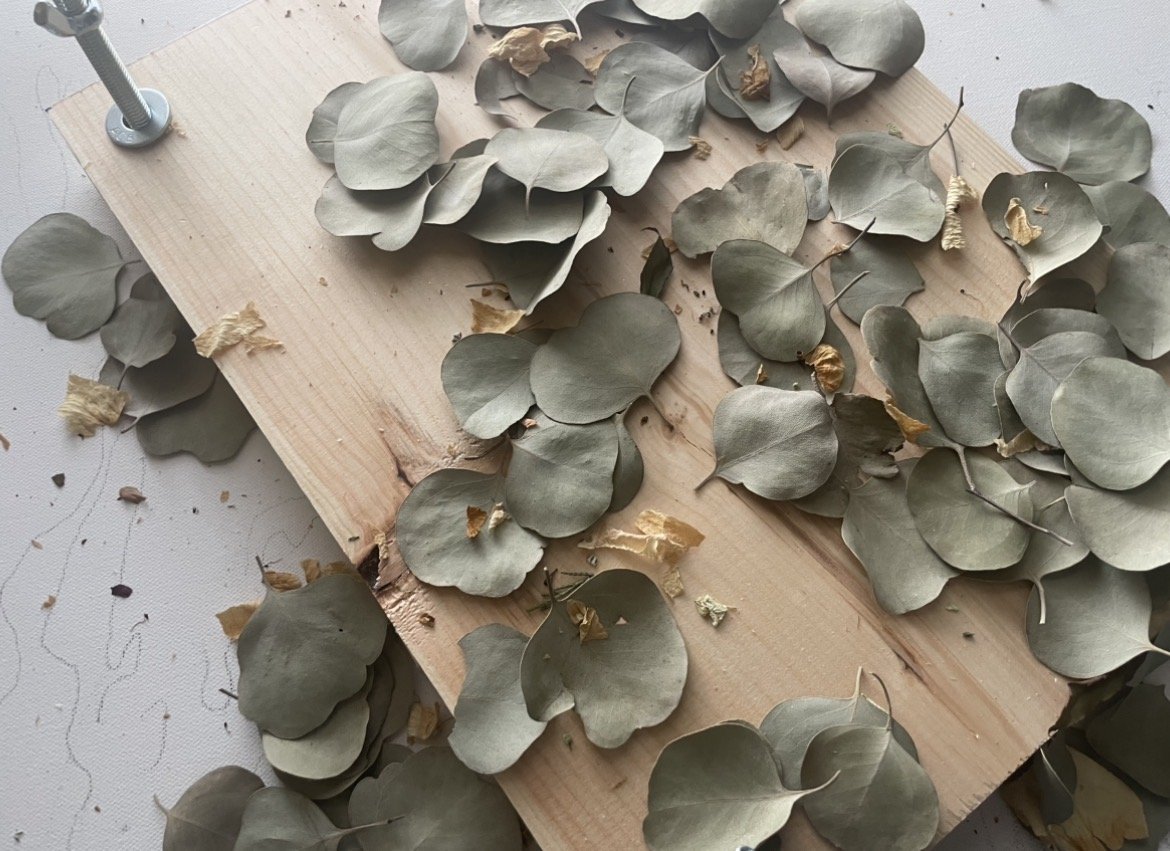
The difference is in what happens after the preservation.
What Is Flower Preservation?
Flower preservation refers to the process of maintaining a flower’s form beyond its natural lifespan. Common methods include:
air or freeze drying
pressing
silica drying
resin preservation
Each method is designed to slow time down, helping flowers retain their shape, color, and structure as much as possible. When people search for how to preserve wedding flowers or wedding bouquet preservation, this is typically what they mean. How can I keep the bouquet as close as possible to how it originally looked?
For many, that’s the goal: To hold onto something exactly as it was.
What Is Floral Preservation?
Floral preservation begins the same way—but often leads somewhere different.
Instead of focusing only on maintaining the original arrangement, floral preservation leans into what the preserved materials can become. The flowers are:
carefully preserved
separated into individual elements
thoughtfully re-composed
arranged into a new form
The process still relies on preservation techniques. But the outcome is guided by design, composition, and intention. It becomes less about replicating the original bouquet, and more about creating something lasting from it.
Flower Preservation vs. Floral Preservation
So what’s the actual difference?
Technically, the two are not separate processes. Both involve preserving flowers using similar methods.
The difference is in what happens after preservation.
Flower preservation focuses on maintaining the original form
Floral preservation focuses on transformation and composition
This is where the decision becomes personal. Some people want their wedding bouquet preserved exactly as it was. Others are less concerned with preserving the arrangement, and more interested in creating something meaningful from the flowers themselves.
Choosing the Right Approach for Your Bouquet
If you’re considering wedding bouquet preservation, the question isn’t just how your flowers will be preserved. Instead, ask yourself what you want to see when you look at them years from now.
Do you want:
a preserved version of your bouquet as it somewhat appeared on your wedding day.
or a piece of artwork created from the flowers you carried, hidden under the paint, sparking reminiscence, conversation, and story telling throughout the years ahead.
Both approaches begin with the same foundation. But they lead to very different results.
Preservation Is the Beginning
No matter the method, preservation is the first step. For most studios, flowers must be carefully dried and stabilized before they can be framed, cast, or arranged. This process ensures they can last for years without fading or deteriorating and requires a bride to move fast after the wedding day.
From there, the direction changes. Some pieces remain close to their original form. Others are reimagined entirely.
Where Heirblooms Fits
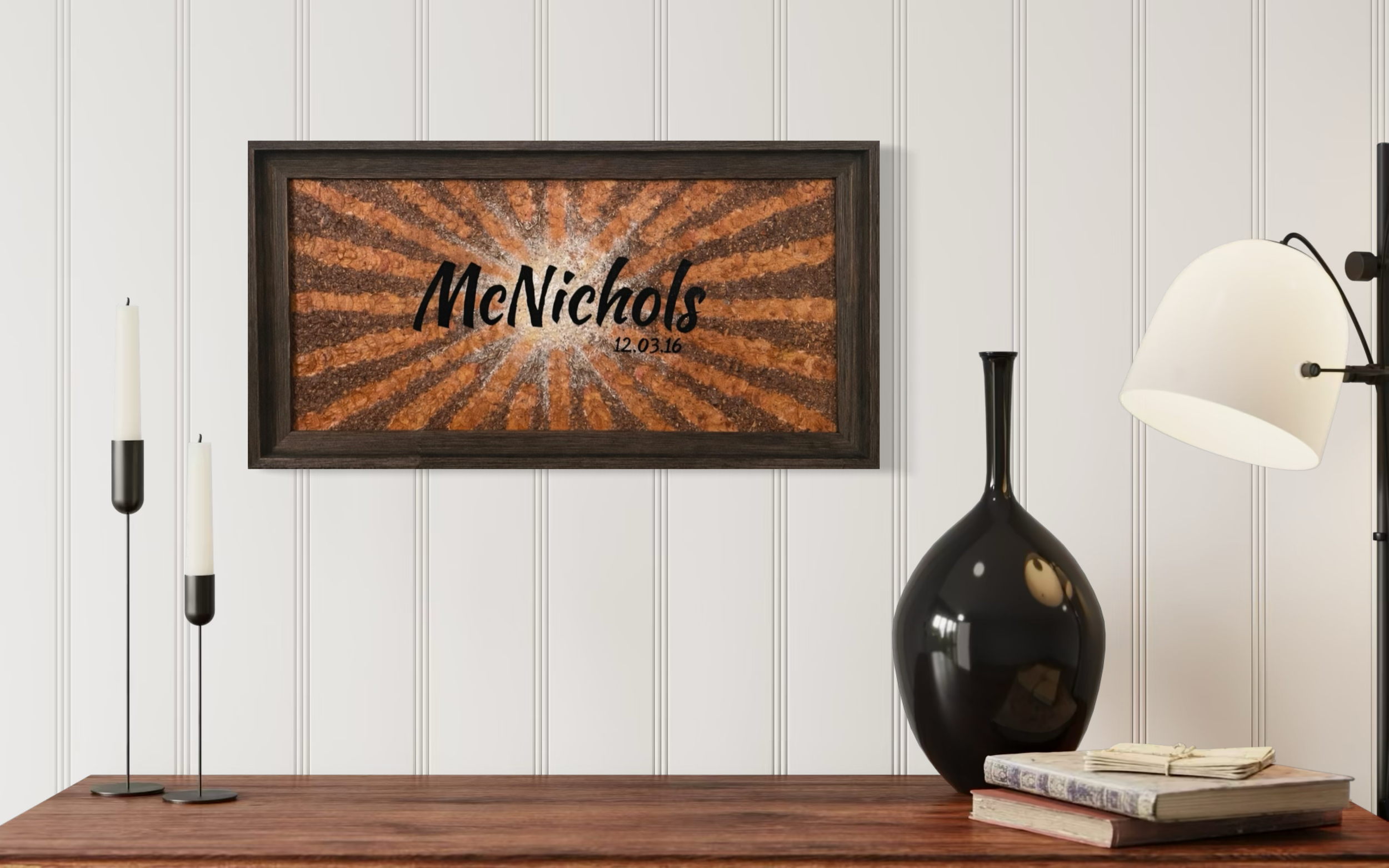
A unique, modern approach to both flower and floral preservation.
At Heirblooms by Adrian, preservation is both the foundation and the starting point. Each piece begins with careful flower preservation, ensuring the integrity of every petal. From there, the process shifts toward floral preservation—composition, balance, and design. The original bouquet becomes a set of materials to work from rather than something to replicate exactly. The flowers are not only preserved—they are transformed into artwork designed to last.
Because sometimes preserving the moment isn’t enough.
You want to see what love can become.
