How Long Wedding Flower Preservation Takes
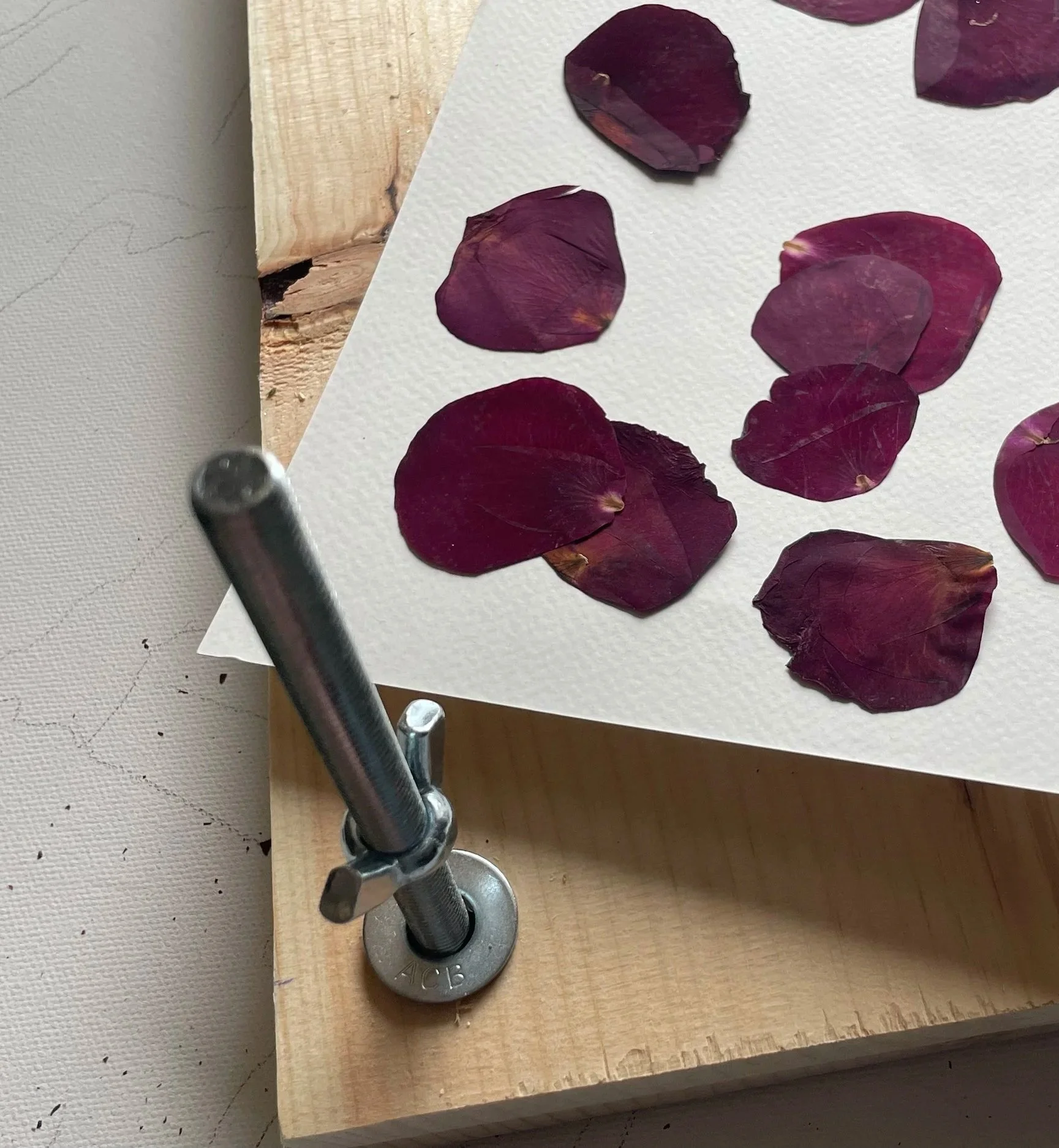
Pressed wedding petals beginning the preservation process before being transformed into Heirblooms artwork.
After a wedding, many couples begin looking for ways to preserve their bridal bouquet. The flowers that were vibrant during the ceremony often begin to fade within just a few days, which leads many people to start researching wedding flower preservation. One of the most common questions couples ask is simple:
How long does wedding bouquet preservation take?
The answer depends on the preservation method being used, but in most cases, preserving wedding flowers is not an immediate process. Because flowers are delicate and naturally temporary, preserving them properly requires time and patience. Understanding the preservation timeline can help couples know what to expect when choosing to preserve their wedding bouquet.
Why Wedding Flowers Need Time to Dry
Fresh flowers contain a large amount of moisture. That moisture is what gives petals their softness and vibrant color while the flowers are alive. However, if flowers are going to be preserved, that moisture must be carefully removed. Drying flowers too quickly can damage petals, distort the shape of blooms, or cause discoloration. Because of this, most wedding flower preservation processes begin with a slow drying stage once they are shipped and arrive at the studio.
Depending on the type of flowers in the bridal bouquet, the drying process alone can take several weeks. Some flowers, such as roses or hydrangeas, dry beautifully and hold their shape well. Others soften and change slightly during the drying process. Allowing flowers to dry slowly helps preserve as much of their natural structure as possible.
This stage of preservation requires patience, but it is essential for creating a lasting result.
The Preservation Method Affects the Timeline
Different preservation methods also influence how long the entire process takes.
Pressed Flower Preservation
When flowers are preserved through pressing, individual blooms or petals are flattened and dried between layers of absorbent material. This process gradually removes moisture while maintaining the structure of the petals. Pressed flower drying typically takes two to four weeks, depending on the type of flowers. Once the flowers are fully dried, they can be arranged into artwork or framed compositions.
Resin Flower Preservation
Resin preservation involves encasing flowers inside clear resin molds. Before the flowers can be placed into resin, they must first be properly dried to prevent moisture from interfering with the curing process. After the flowers are placed in resin, the resin itself must cure and harden. Resin curing can take several days to several weeks depending on the size and structure of the piece being created.
Preserving Flowers as Artwork
When wedding flowers are preserved as artwork, the process involves both drying the flowers and designing a final composition. Each petal is carefully arranged to create a balanced piece that honors the original bouquet while allowing the flowers to take on a new form. Because of this design stage, preservation as artwork often takes longer than simpler preservation methods.
The Design Process
Once the flowers are fully dried, the next stage of preservation begins: designing the final piece. During this stage, individual blooms and petals are arranged into a thoughtful composition. This step requires both patience and artistic attention. Unlike mass-produced items, preserved flower artwork is created using real materials that behave differently from one bouquet to the next. Each flower dries in its own way, and the design must respond to those natural variations.
This is part of what makes preserved flower artwork unique. No two pieces are ever exactly the same.
Why Wedding Flower Preservation Is Worth the Wait
In a world where many things happen instantly, waiting for something meaningful can feel unusual. But wedding flower preservation is one of those processes that benefits from patience.
Flowers that would normally last only a few days are carefully transformed into something designed to last for years. Rushing the process would risk damaging the delicate petals that make the bouquet meaningful in the first place.
Taking the time to preserve flowers properly ensures that the memory of the wedding day is honored with care.
A Different Perspective on Time
At Heirblooms, flower preservation is approached with the understanding that meaningful objects take time. The flowers are not rushed through a process designed for speed. Instead, they are allowed to dry naturally before being arranged into a composition that reflects their story. In some cases, brides have had their bouquets dried for years. Even these hold possibilities with Heirblooms. Rather than attempting to recreate the bouquet exactly as it appeared on the wedding day, the flowers are given space to transform.
No matter the condition of the wedding bouquet, the petals that once existed for a single moment can become part of something designed to last.
When the Process Becomes Part of the Story
In many ways, the preservation timeline mirrors the meaning behind the flowers themselves. The wedding day happens quickly. The celebration passes in a blur of music, laughter, and photographs. Preserving the bouquet allows that moment to slow down. The flowers that once lasted only days are transformed into something that can remain present and passed down for decades.
For many couples, that transformation is well worth the wait.
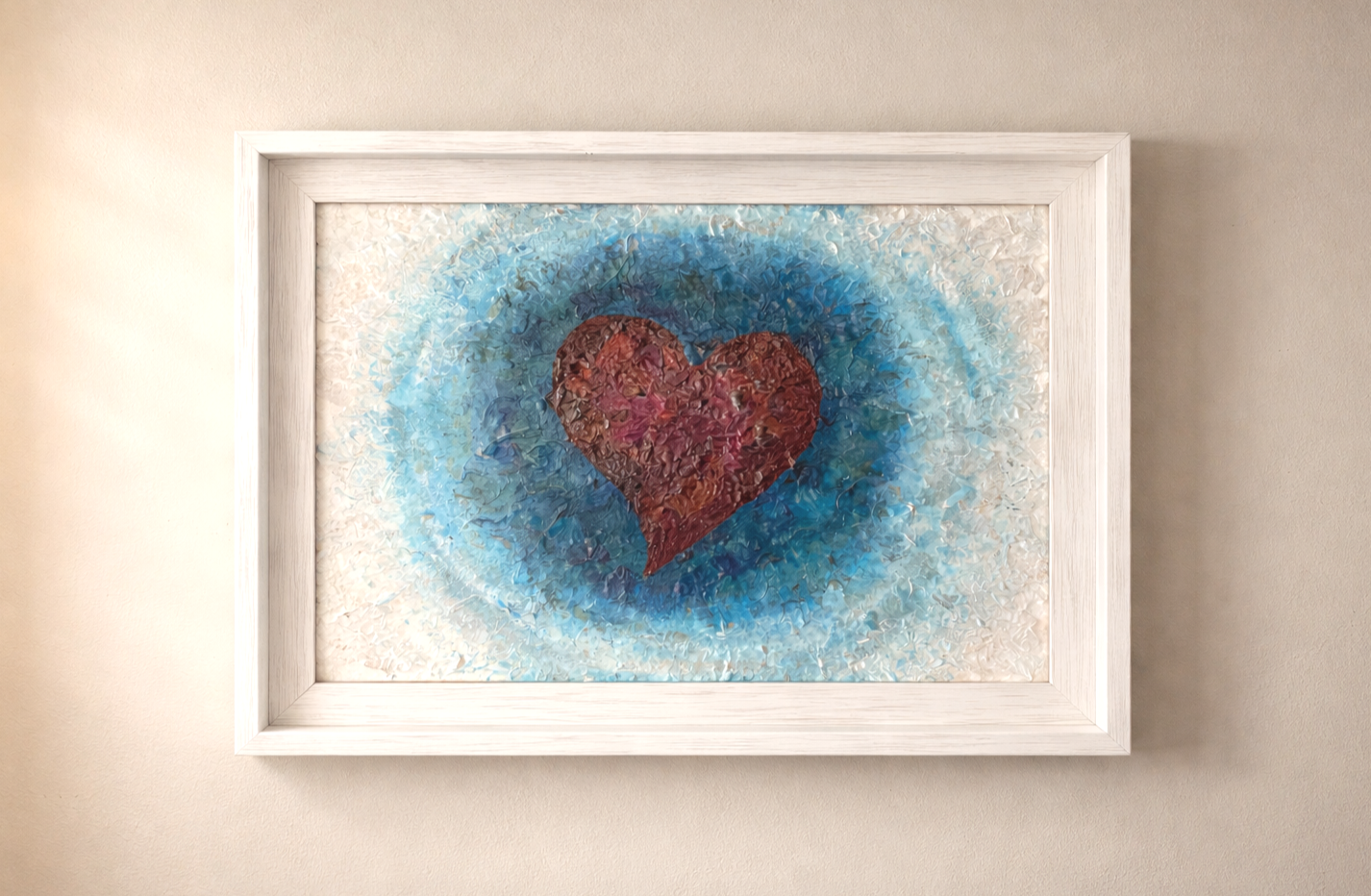
Every petal is part of the story. Heirblooms helps preserve the stories meant to be passed down.
