Pressed Flowers vs Resin: Ways to Preserve Wedding Flowers
After the wedding day ends and the celebration settles into memory, many couples in Columbus along with brides nationwide find themselves asking an unexpected question:
What is the best way to preserve my wedding bouquet?
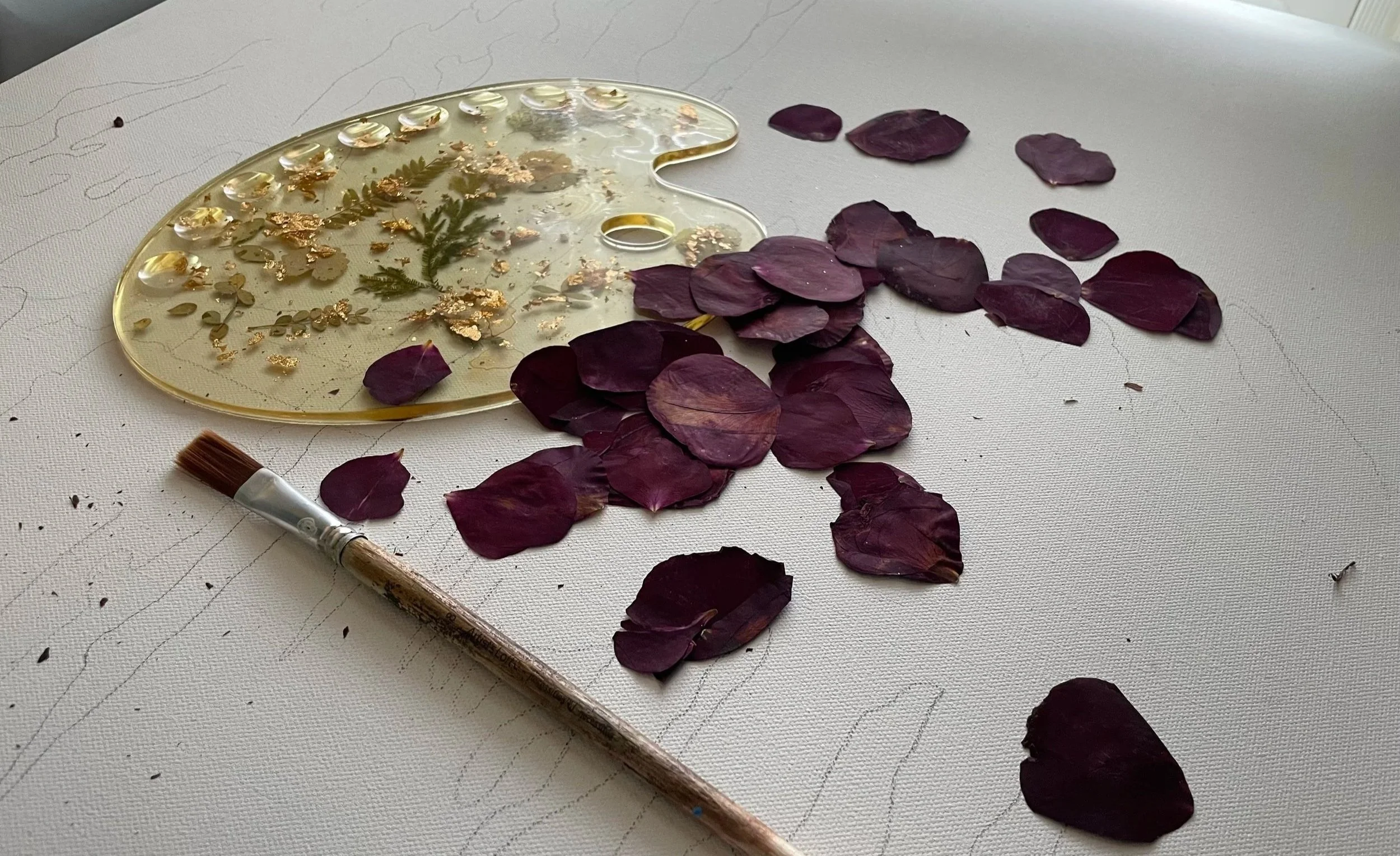
Pressed petals prepared for preservation beside a resin palette that’s yellowed over time. Two different approaches to preserving wedding flowers, each telling the story of a bouquet in its own way.
Wedding flowers carry emotional weight. They were present during the ceremony, photographed during the celebration, and held during one of the most meaningful moments of the day. Because of that, many couples look for ways to preserve their bouquet so it can last beyond the wedding itself.
Two of the most common methods people discover while researching wedding flower preservation are pressed flower preservation and resin preservation. Both approaches allow couples to keep their wedding flowers long after the bouquet would normally fade. However, the two methods create very different results and require different lengths of time for preservation.
Understanding the differences can help couples choose the preservation style that feels right for them.
Pressed Flower Preservation
Pressed flower preservation is one of the oldest and most traditional ways to preserve flowers. In this process, individual blooms or petals are carefully flattened and dried between layers of absorbent material. Over time, the moisture leaves the petals, leaving them delicate but stable. Once the flowers are fully dried, they can be arranged into compositions or framed pieces. Because the flowers are pressed flat, the natural structure and fine details of the petals become more visible. Veins, shapes, and textures that might be hidden within a full bloom are revealed in a new way.
Pressed flower preservation often results in artwork that feels soft, organic, and timeless. For many couples, pressed flower art allows the flowers from their wedding day to become something they can display in their home. Not just as a keepsake, but as a meaningful piece of art.
Resin Flower Preservation
Resin preservation takes a very different approach. Instead of flattening the flowers, resin preservation encases the blooms inside a clear liquid resin that eventually hardens into a solid structure. Once cured, the flowers are permanently sealed inside the resin. This method preserves the three-dimensional form of the flowers, allowing the blooms to appear suspended within the clear material.
Resin preservation is often used to create objects such as decorative blocks, trays, jewelry, ornaments, or paperweights.
Because the flowers are encased in resin, they are protected from moisture and physical damage. However, the finished result tends to feel more like a decorative object than a traditional piece of artwork. And if high quality resin isn’t used by the artist, your keepsake may run the risk of yellowing over time.
The Visual Difference Between Pressed and Resin Flowers
One of the most noticeable differences between pressed flower preservation and resin preservation is how the flowers are experienced visually. Pressed flowers emphasize composition and design. The flattened blooms become part of a larger artistic arrangement, allowing the flowers to take on new forms and patterns. Resin preservation, on the other hand, emphasizes preservation of form. The goal is to keep the flowers looking as close as possible to how they appeared originally.
Neither approach is better or worse, they simply create different experiences. Some couples prefer the sculptural look of resin pieces, while others are drawn to the organic and artistic quality of pressed flower artwork.
How the Preservation Process Differs
The preservation process itself also differs between the two methods. Pressed flower preservation focuses on carefully drying and flattening the blooms before arranging them into artwork. This process highlights the individual petals and often results in a composition that feels thoughtfully designed. Resin preservation requires preparing the flowers so they can be safely encased within resin molds. Once the resin cures, the flowers become permanently sealed within the hardened material. Because resin cures chemically, timing and environmental conditions play a large role in the process.
Both preservation methods require patience and careful handling of the flowers.
Choosing the Right Preservation Style
When deciding how to preserve wedding flowers, couples often find themselves drawn toward one method more naturally than the other. Some couples prefer resin preservation because it keeps the flowers looking more like the original bouquet. Others prefer pressed flower preservation because it transforms the flowers into artwork that can live on a wall or within a living space.
Ultimately, the decision often comes down to how couples want to experience their flowers in the years ahead. Do they want an object that preserves the form of the bouquet? Or do they want something that allows the flowers to evolve into something new?
A Different Approach to Preserving Wedding Flowers
At Heirblooms, flower preservation is approached through the lens of transformation.
Rather than recreating the bouquet exactly as it appeared on the wedding day, the flowers are carefully dried and arranged into new compositions using the petals themselves as artistic material. This approach allows the flowers to carry the memory of the original bouquet while becoming something entirely new. An Heirbloom is viewed by guests to your home as an original piece of art, first. That is, until you explain to them your wedding bouquet flowers live within the artwork.
The blooms that once existed for a single day become part of a lasting piece designed to remain present in the home.
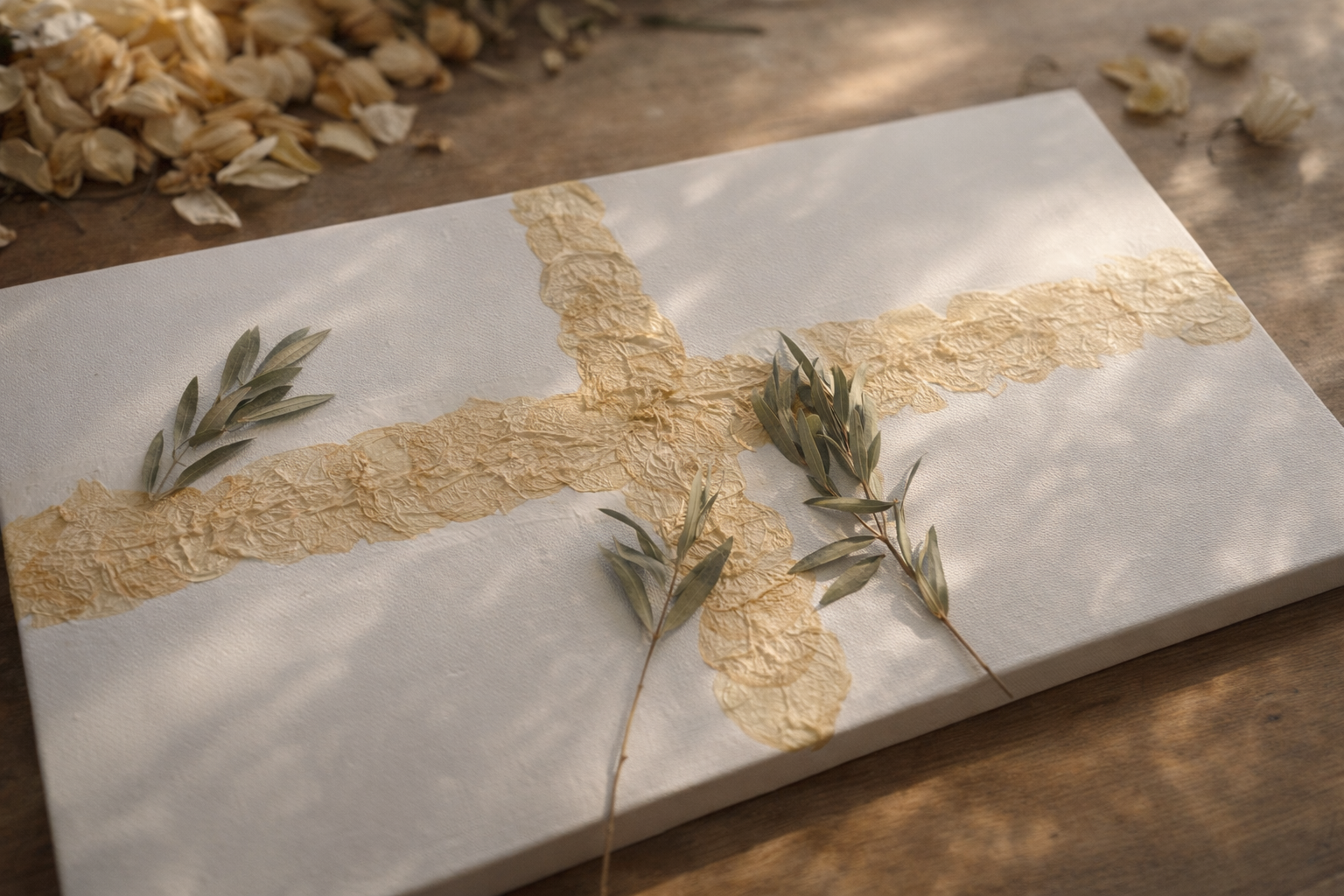
The beginning stages of My Forever Bouquet by Heirblooms meant to be lived with and passed down.
When Flowers Become More Than Keepsakes
Wedding flowers are naturally temporary. Their beauty is part of what makes them meaningful. But when thoughtfully preserved, those flowers can become something more enduring. Whether through pressed flower artwork or resin preservation, preserving wedding flowers allows couples to hold onto a small physical piece of their wedding day.
Over time, these preserved blooms often become something even more meaningful.
Quiet reminders of the beginning of a life shared together.
