How Wedding Bouquet Preservation Works
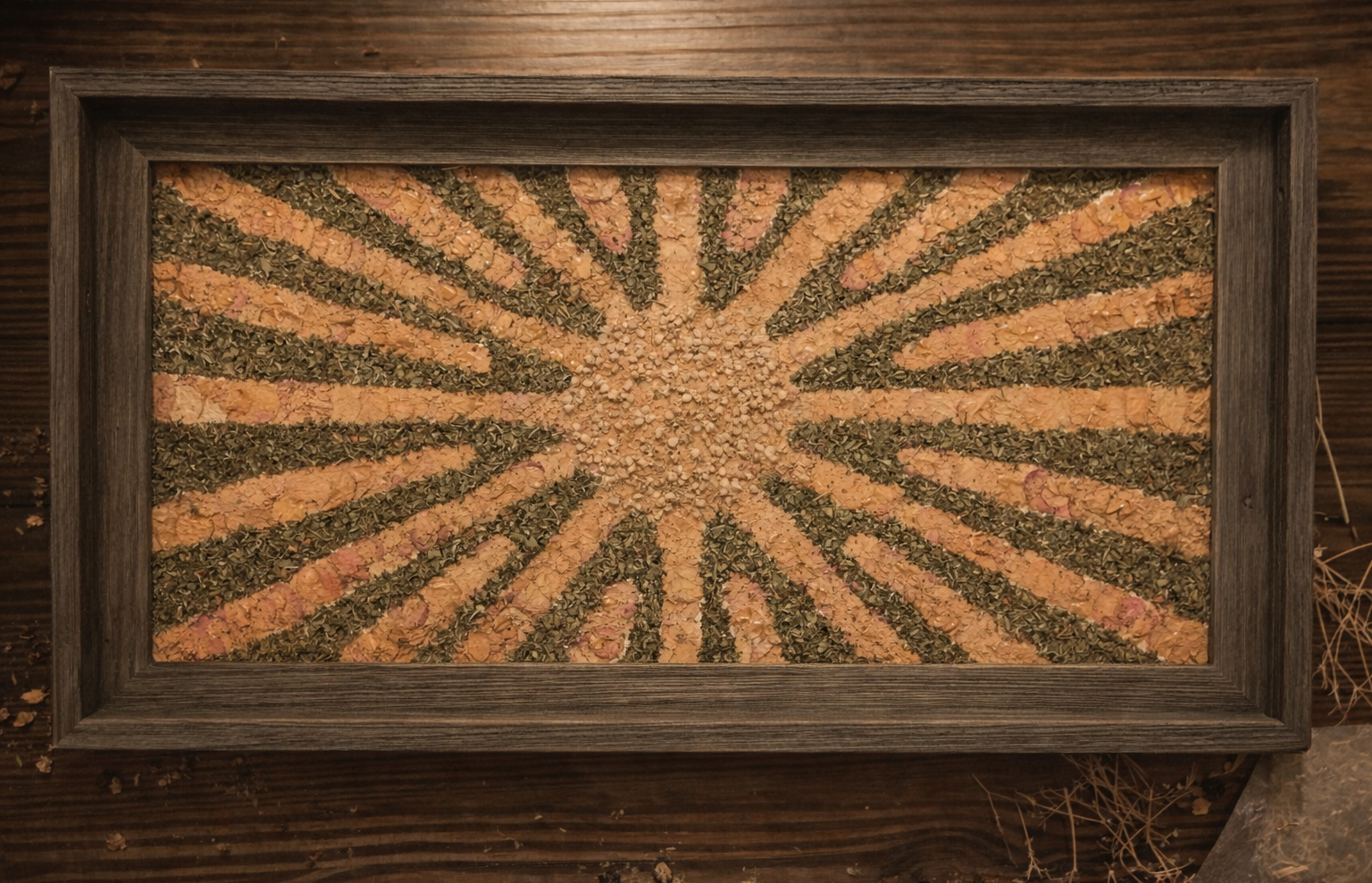
The result of a wedding bouquet preservation. Meaningful flowers carefully dried and arranged into heirloom artwork. An Heirbloom.
After the wedding day ends, many couples find themselves looking at their bouquet and wondering the same thing:
Can these flowers be preserved?
Wedding flowers often carry more meaning than people expect. They were present during the ceremony, they appear in photographs, and they were part of the moment vows were spoken. Because of this, many couples in Columbus along with brides across the country begin searching for ways to preserve their wedding bouquet like pressed flowers and resin preservation methods. But a common question quickly follows:
How does wedding bouquet preservation actually work?
While there are several methods used to preserve wedding flowers, the process typically follows a few essential steps. Understanding those steps helps explain how delicate blooms that would normally fade within days can become lasting keepsakes.
The First Step: Drying the Flowers
Fresh flowers contain a great deal of moisture. That moisture is what gives the petals their softness and vibrant appearance. However, if flowers are going to be preserved, that moisture must be removed carefully. Drying flowers too quickly can cause petals to darken, curl, or become brittle. Because of this, flower preservation usually begins with a slow drying process that allows the blooms to maintain as much of their natural structure as possible.
Different types of flowers dry differently. Roses, hydrangeas, ranunculus, and peonies all respond uniquely to the drying process. Some hold their shape beautifully, while others soften or change slightly in color. This stage requires patience. Proper drying ensures the flowers remain stable enough to be preserved long after the wedding day.
Preparing the Flowers for Preservation
Once the flowers are fully dried, they become far more delicate than they were when fresh. At this point, the petals can be carefully separated, trimmed, or repositioned depending on the preservation method being used. Some preservation processes focus on maintaining the bouquet’s original form. Others take a more creative approach, allowing the flowers to become part of something new.
During this stage, the individual structure of each bloom becomes visible. Petals that once overlapped naturally now reveal intricate shapes and textures. These details often become one of the most beautiful aspects of preserved flowers.
Different Methods of Wedding Flower Preservation
There are several ways couples choose to preserve their wedding bouquet. Each method results in a different type of keepsake.
Drying the Bouquet
Some couples simply dry the bouquet and keep it as it is. This method preserves the general shape of the bouquet but can leave the flowers fragile over time. Dried bouquets are often stored in memory boxes or displayed in shadow boxes.
Pressing Wedding Flowers
Pressed flower preservation flattens individual blooms between layers of paper and weight. Once dried, the pressed petals can be arranged into artwork or framed pieces. This method highlights the natural structure and delicate details of each flower. Pressed flowers are often used to create pressed flower art, where the blooms become part of a thoughtful composition.
Resin Preservation
Resin preservation encases flowers in a clear liquid resin that eventually hardens into a solid structure. This allows flowers to remain in three dimensions while being permanently sealed inside the resin. Resin pieces often take the form of decorative objects such as blocks, trays, or display pieces.
Preserving Flowers as Artwork
Some couples choose to transform their wedding bouquet into custom artwork. Rather than preserving the bouquet exactly as it appeared, the flowers are carefully dried and arranged into a new design. The petals themselves become the medium of the artwork. This approach allows the flowers to evolve beyond their original form while still preserving the meaning behind them.
Why Preserving Flowers Takes Time
Wedding bouquet preservation is not an instant process. Because flowers are delicate and naturally temporary, preserving them requires careful attention and patience. Drying flowers alone can take several weeks depending on the type of blooms involved. Designing and arranging the preserved flowers into their final form can take additional time. While the process requires patience, it ensures the flowers are handled gently and preserved as beautifully as possible.
Meaningful objects often take time to create.
The Emotional Reason Couples Preserve Wedding Flowers
For many couples, preserving their wedding bouquet is not simply about saving flowers. It is about preserving a moment.
The bouquet was present during the ceremony. It was held during the walk down the aisle. It appears in photographs that will be revisited for decades. When the flowers begin to fade, it can feel like a small piece of the day is disappearing as well. Preserving wedding flowers allows couples to keep something tangible from that moment. The blooms that once lasted only a few days become something that can remain present in a home for years.
A Different Philosophy Behind Flower Preservation
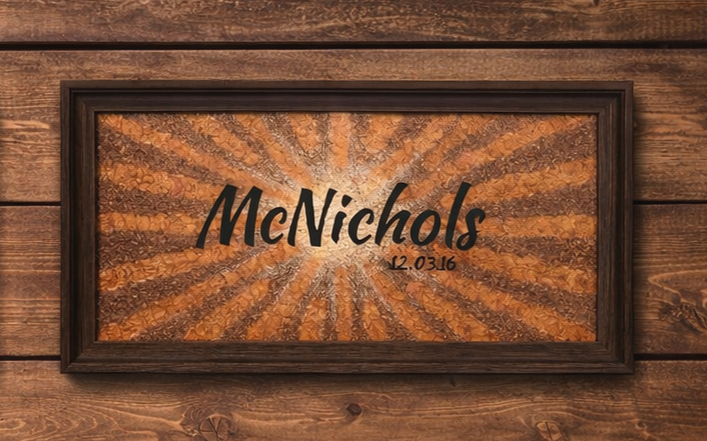
Wedding flowers preserved as artwork. A lasting reminder of the day your story began.
At Heirblooms, flower preservation is approached from a slightly different perspective.
Rather than attempting to recreate the bouquet exactly as it looked on the wedding day, the flowers are treated as meaningful materials with their own story. Each bloom is dried and arranged into a new composition that honors the original bouquet while allowing the flowers to take on a new life as artwork. And your dried up bouquet that you’ve kept from your wedding day years ago? Their condition drives the creative process even more!
The goal is not to replicate the bouquet perfectly.
The goal is to allow the flowers to transform.
This approach acknowledges something important about flowers: they were never meant to remain unchanged. But with thoughtful preservation, they can become something lasting.
When Wedding Flowers Become Part of Your Home
After the preservation process is complete, the flowers become more than a keepsake. They become something that lives in the home. Instead of sitting in a storage box, the preserved blooms become part of daily life. The act as a quiet reminder of the beginning of your marriage.
Over time, these pieces take on deeper meaning. They become small heirlooms connected to the story of the couple who first carried those flowers down the aisle.
What once lasted only a few days becomes something that can last for decades.
