

How to Ship Your Wedding Bouquet for Preservation
After the wedding day ends, many couples begin looking for ways to preserve their bouquet. Once they decide they want to keep their flowers, another practical question quickly appears:
How do you ship a wedding bouquet for preservation?
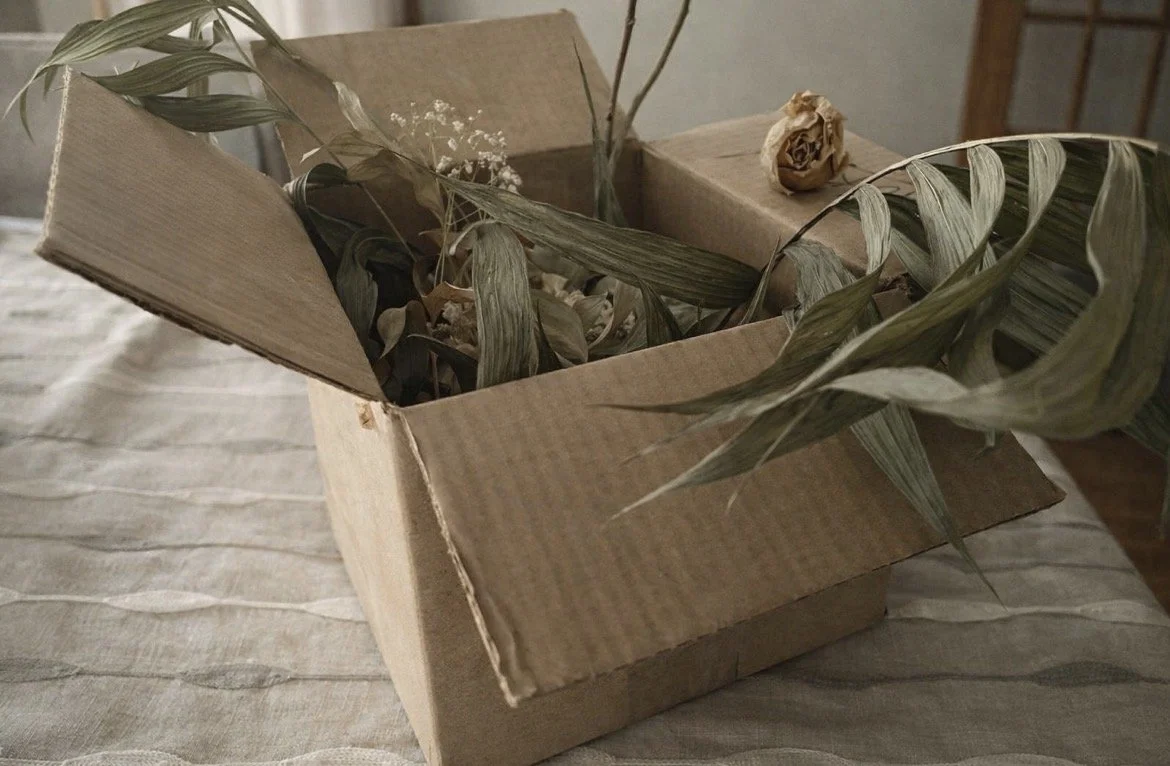
Old flowers arriving at the studio before the preservation process begins.
If you’re outside the Columbus area or in another state, shipping wedding flowers can feel nerve-wracking. After all, the bouquet was part of one of the most meaningful days of your life, and the thought of sending it through the mail can raise understandable concerns. Fortunately, with a few simple steps, wedding flowers can travel safely and arrive ready to be preserved. Understanding how to prepare and ship your bouquet helps ensure the flowers remain in the best possible condition for preservation.
Why Shipping Wedding Flowers Works
Many couples assume flower preservation studios only work locally. In reality, most bouquet preservation studios regularly receive flowers through shipping. Fresh flowers are surprisingly resilient when packed properly. Even if blooms have already begun to soften slightly after the wedding day, they can still often be preserved beautifully.
Because flower preservation involves drying the flowers, they do not need to remain perfectly fresh during the shipping process. What matters most is protecting the blooms from crushing and excessive moisture. With proper packing, wedding bouquets can safely travel across the country.
When to Ship Your Wedding Bouquet
Ideally, flowers should be shipped within one to three days after the wedding. During this window, the flowers are still relatively fresh but have also had time to be removed from their vases and prepared for packaging. If shipping immediately is not possible, the bouquet can often be kept in a cool space temporarily until it is ready to be packed. Some couples even send flowers that have already begun drying naturally, which can still be preserved depending on the condition of the blooms.
The most important thing is simply protecting the flowers during transit.
Preparing the Bouquet for Shipping
Before packing the bouquet, a small amount of preparation helps protect the flowers. Start by gently removing excess water from the stems. Flowers should not be dripping wet when packed, as trapped moisture can encourage mold during shipping.
Next, lightly wrap the bouquet with paper or tissue to support the blooms. This wrapping helps prevent petals from bending or breaking during transport. Avoid tightly wrapping the flowers in plastic. Flowers need some airflow while traveling, and plastic can trap humidity.
The goal is simply to provide gentle protection while allowing the bouquet to breathe.
Packing the Bouquet Safely
Choosing the right box is one of the most important steps. A sturdy cardboard box slightly larger than the bouquet works best. The bouquet should fit comfortably inside without being compressed. Place soft packing material in the bottom of the box before placing the bouquet inside. Materials such as packing paper or tissue can help cushion the flowers.
Once the bouquet is inside the box, add additional packing material around the stems and sides of the bouquet. This prevents movement during shipping. Try to avoid placing heavy materials directly on top of the blooms themselves. The goal is to keep the bouquet secure without crushing the flowers.
Labeling the Package
It can be helpful to label the outside of the box “Fragile – Dried Flowers” or “Handle With Care.” While shipping carriers cannot guarantee special handling, clear labeling can sometimes encourage more careful treatment during transit. If possible, choosing a faster shipping option can also reduce the amount of time the flowers spend in transit.
What Happens After the Flowers Arrive
Once the bouquet arrives at the preservation studio, the flowers are carefully unpacked and prepared for the preservation process. At this stage, the flowers typically begin the drying process. From there, they are preserved using the chosen method, whether through pressing, resin preservation, or transformation into artwork. The preservation process itself can take several weeks, depending on the method being used.
While the process requires patience, the result is a meaningful keepsake created from the flowers that were present on the wedding day.
A Different Way to Preserve Wedding Flowers
At Heirblooms, flowers sent for preservation are treated as meaningful materials rather than objects to be replicated exactly.
Each bouquet is carefully dried before the petals are arranged into a new composition. The flowers that once formed a bouquet become the medium for a piece of artwork designed to last for years. This approach allows the flowers to transform rather than simply remain frozen in their original shape. The blooms that traveled safely through the mail eventually become something entirely new. A lasting reminder of the beginning of a marriage.
Sending a Small Piece of the Wedding Day
Shipping a wedding bouquet can feel like sending a small piece of the wedding day itself. But with thoughtful preparation, flowers can travel safely and arrive ready to be preserved. For many couples, that journey allows the bouquet to become something lasting — a piece of art that continues telling the story of the day long after the celebration has ended.
