What Flowers Preserve Best for Bouquet Preservation?
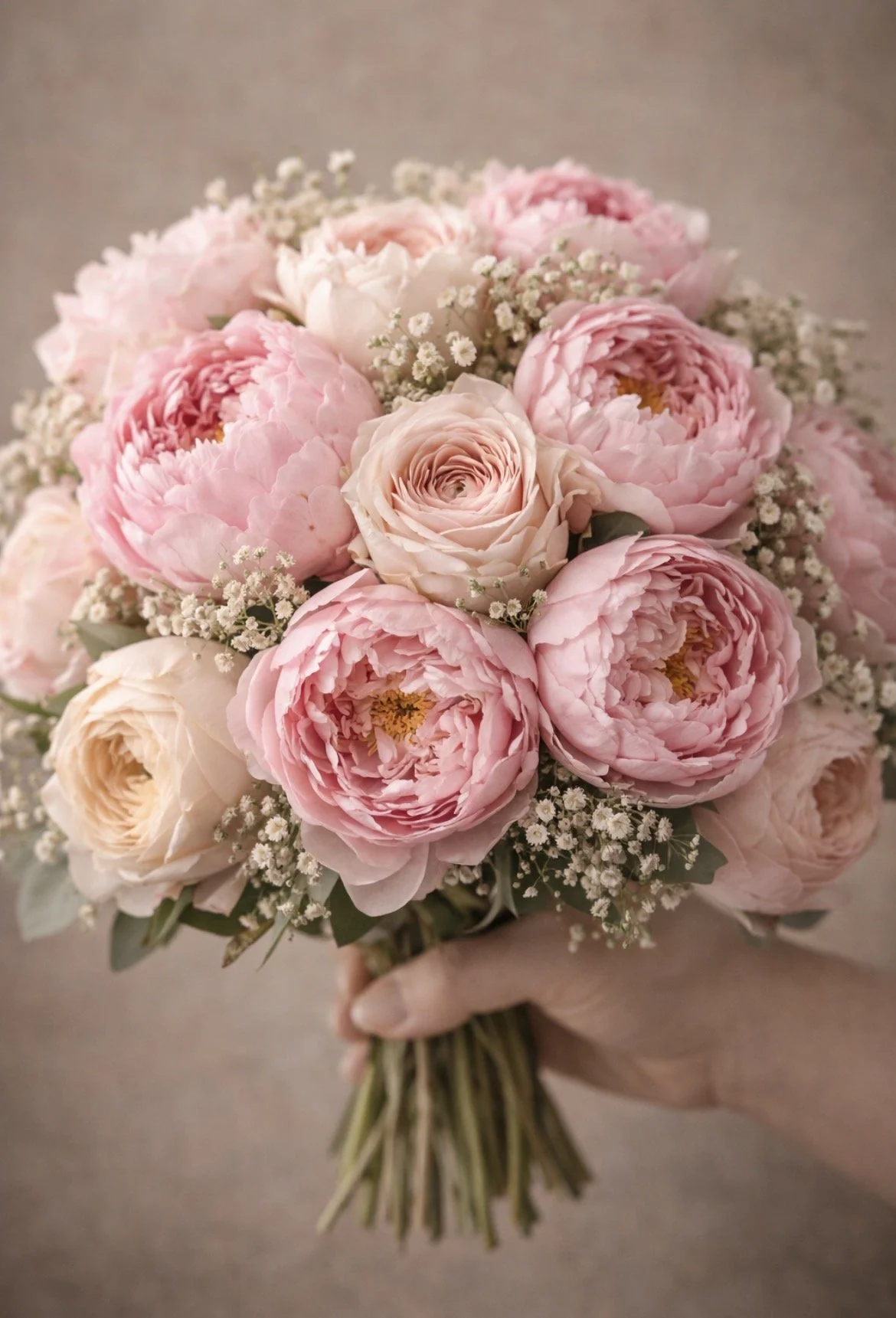
No matter the flowers that make up your bridal bouquet. Heirblooms by Adrian can help preserve your flowers into a lasting piece of art to be hung in your home.
What Flowers Preserve Best?
Wedding flowers are chosen for many reasons. Color palettes, seasonal availability, and personal meaning all play a role in shaping the final bouquet. Some couples choose flowers that reflect the setting of their wedding, while others are drawn to blooms that simply feel beautiful or timeless. For couples who plan to preserve their bouquet after the wedding, another question sometimes arises during the planning process:
Do certain flowers preserve better than others?
While many types of flowers can be preserved successfully, some blooms naturally hold their shape, color, and structure more easily during the preservation process.
Flowers That Tend to Preserve Well
Some flowers have natural qualities that make them particularly suitable for preservation.
Roses
Roses are one of the most commonly preserved wedding flowers. Their layered petals maintain structure well as they dry, and their classic shape translates beautifully into preserved artwork. Because roses are available in many colors and varieties, they are often a central element in preserved bouquet designs.
Peonies
Peonies are loved for their soft, full petals and romantic appearance. When carefully preserved, the layered petals create beautiful textures within pressed or dried flower arrangements. Although peonies are delicate when fresh, they can retain their character remarkably well when properly preserved.
Ranunculus
Ranunculus flowers are known for their intricate layers of petals arranged in a tight spiral. This natural structure helps the bloom hold its shape as it dries. These flowers often appear especially detailed and elegant in preserved compositions.
Garden Roses
Garden roses, which have more open and textured petals than traditional roses, can also preserve beautifully. Their natural variation in petal shape often adds depth and movement to preserved artwork.
Flowers That Can Be More Delicate
Some flowers are naturally more fragile and may change more dramatically during preservation. Blooms with very thin petals, such as certain varieties of tulips or anemones, can lose their shape as they dry. However, even delicate flowers can still be incorporated into preserved designs using individual petals. In many cases, a combination of flowers from the bouquet creates the most interesting preserved pieces.
Why the Bouquet Still Matters More Than the Flower Type
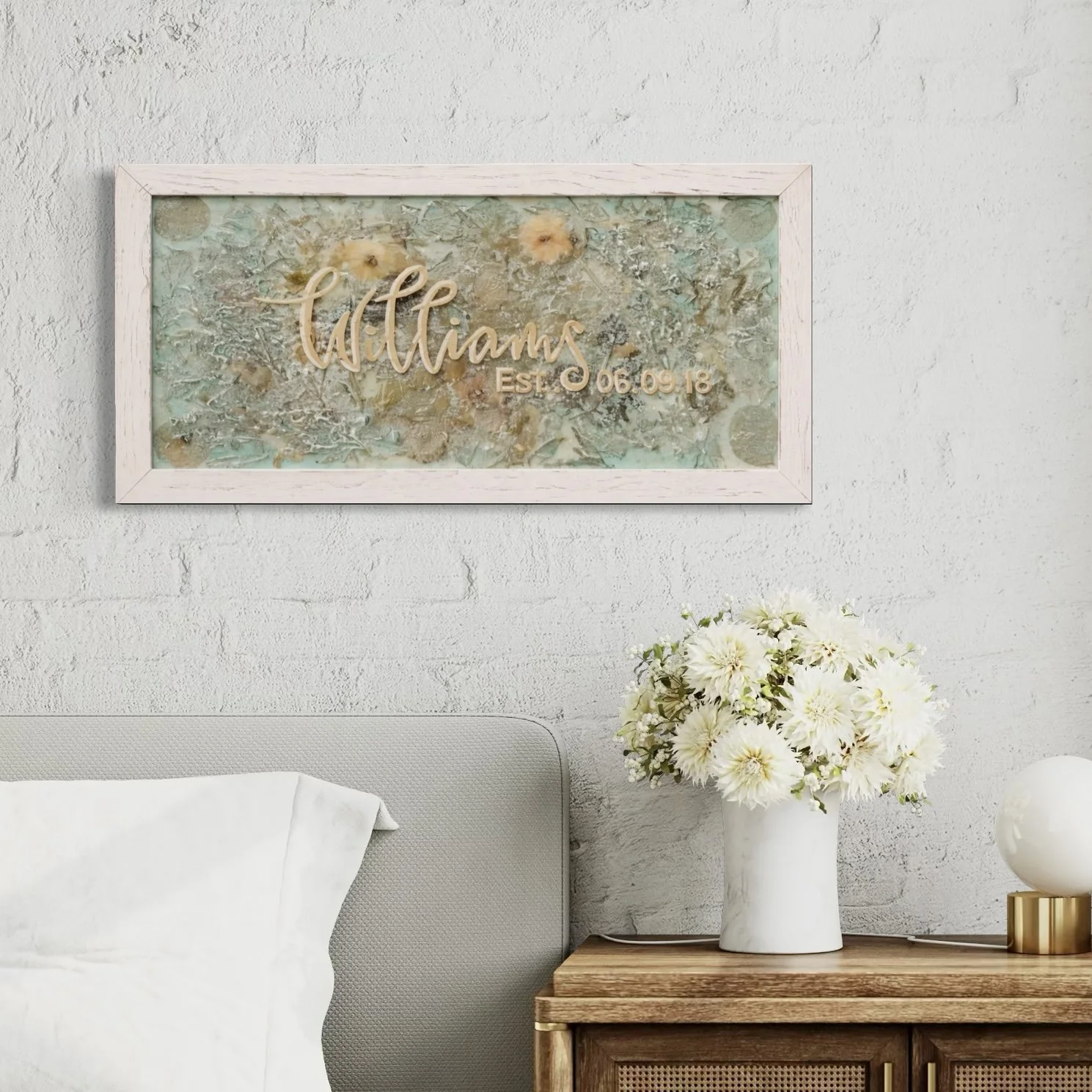
Your wedding bouquet becomes My Forever Bouquet.
While some flowers preserve more easily than others, the overall bouquet remains the most important part of the story. Wedding flowers are chosen because they were part of a meaningful moment. They appeared in photographs, were carried down the aisle, and were present during the celebration.
Because of this, preservation is rarely about selecting the “perfect” flower.
Instead, it is about honoring the blooms that were present on the day itself.
When Flowers Become Something Lasting
Preserving wedding flowers allows the bouquet to take on a new life after the celebration. Rather than fading completely, the flowers can remain part of the home as artwork that holds memory and meaning. Over time, these preserved blooms often become quiet reminders of the day a family story began.
Preserving Your Wedding Bouquet as Artwork
Some couples choose to transform meaningful wedding flowers into lasting artwork so the bouquet can remain part of their home for years to come. You can learn more about how meaningful flowers become heirloom artwork through the My Forever Bouquet process.
