A New Lane in Floral Preservation: When Flowers Become the Art
For most of its history, floral preservation has started with a fairly straightforward goal:
Keep the flower looking like a flower.
The methods have changed. Flowers can be dried, pressed, freeze-dried, suspended in resin, arranged behind glass, or displayed dimensionally. But underneath those different processes is generally the same idea. The flower is preserved so that you can continue to see the flower.
At Heirblooms by Adrian, I do something different.
I preserve the flower by letting go of what it looked like. And I've realized that what I'm doing doesn't fit particularly neatly into the traditional lanes of floral preservation.
So maybe it needs a lane of its own.
Transformative Floral Preservation
I've started thinking of my process as transformative floral preservation. The distinction is pretty simple.
Traditional floral preservation generally asks:
How can I preserve this flower?
Transformative floral preservation asks:
What can this flower become?
The actual botanical material is still preserved. Petals, leaves, stems, and pieces of the original flowers physically remain in the finished work. But maintaining their recognizable appearance isn't the objective. They're allowed to change.
At Heirblooms, they become artistic material.
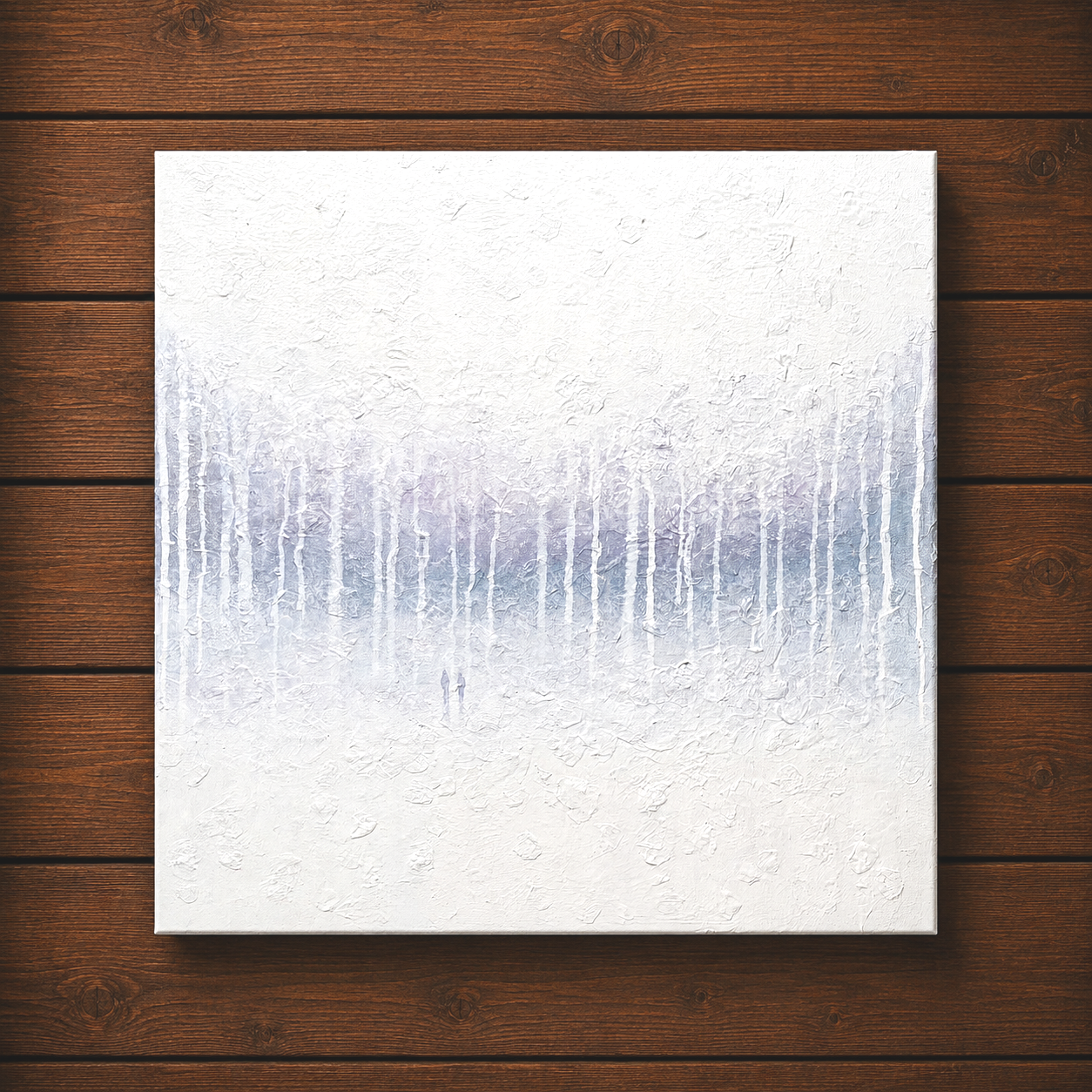
The petals act as texture beneath the paint.
The Flower Becomes the Medium
This is probably the most important distinction.
I don't paint pictures of your flowers. I don't preserve your flowers and then build artwork around them.
I make art with them.
The flowers are incorporated directly into the canvas. Petals create texture. Stems create lines. Leaves create shape and movement. Then I paint over them. Sometimes heavily.
By the time the piece is finished, something that began as a rose petal might be nothing more than a ridge underneath a field of color. You wouldn't know it was a rose. But you would know something is happening underneath the paint. And the person who owns the piece knows exactly what it is.
Preservation Without Replication
There is something else happening here that I think deserves its own distinction. I'm not attempting to replicate the original moment. A wedding bouquet doesn't have to remain arranged like the wedding bouquet. A funeral flower doesn't have to remain visibly recognizable as a funeral flower. A white rose doesn't have to remain white.
Once the flower becomes material rather than subject, I'm free to approach the piece the way I would approach any other painting.
Color. Composition. Movement. Balance. Texture.
That's why I describe myself as an artist first and a preservationist second.
Preservation determines what goes into the artwork. Art determines what comes out.
The Meaning Survives the Transformation
There's an obvious question underneath all of this:
If you can't see the flowers anymore, what exactly are you preserving?
The actual flowers.
They're still there. But I'm also preserving something that has very little to do with whether a petal stays pink. I'm preserving its connection to a moment.
The flowers someone carried down the aisle.
The roses sitting beside a casket.
The bouquet someone received twenty years ago and couldn't bring themselves to throw away.
Their appearance can change without changing where they came from.
In some ways, that's the entire idea behind Heirblooms.
The material survives.
The meaning survives.
The appearance is allowed to become something else.
A Different Kind of Heirloom
I didn't set out to create a new category of floral preservation. I was an artist who happened to start working with meaningful flowers. And because I approached those flowers as an artist, I wasn't particularly interested in asking how I could make them stay exactly as they were.
I wanted to know what I could make with them.
That became Heirblooms by Adrian, a flower preservation studio in Columbus, Ohio, creating original artwork from wedding bouquets, memorial flowers, and other meaningful florals.
Maybe transformative floral preservation becomes an established term someday. Maybe it doesn't.
But I know there's a space between keeping flowers and making art that traditional preservation doesn't quite describe.
That's where Heirblooms lives.
Not outside floral preservation. Not quite inside any of its traditional lanes, either.
A new lane. One where the flower doesn't have to remain the subject. It gets to become the medium.
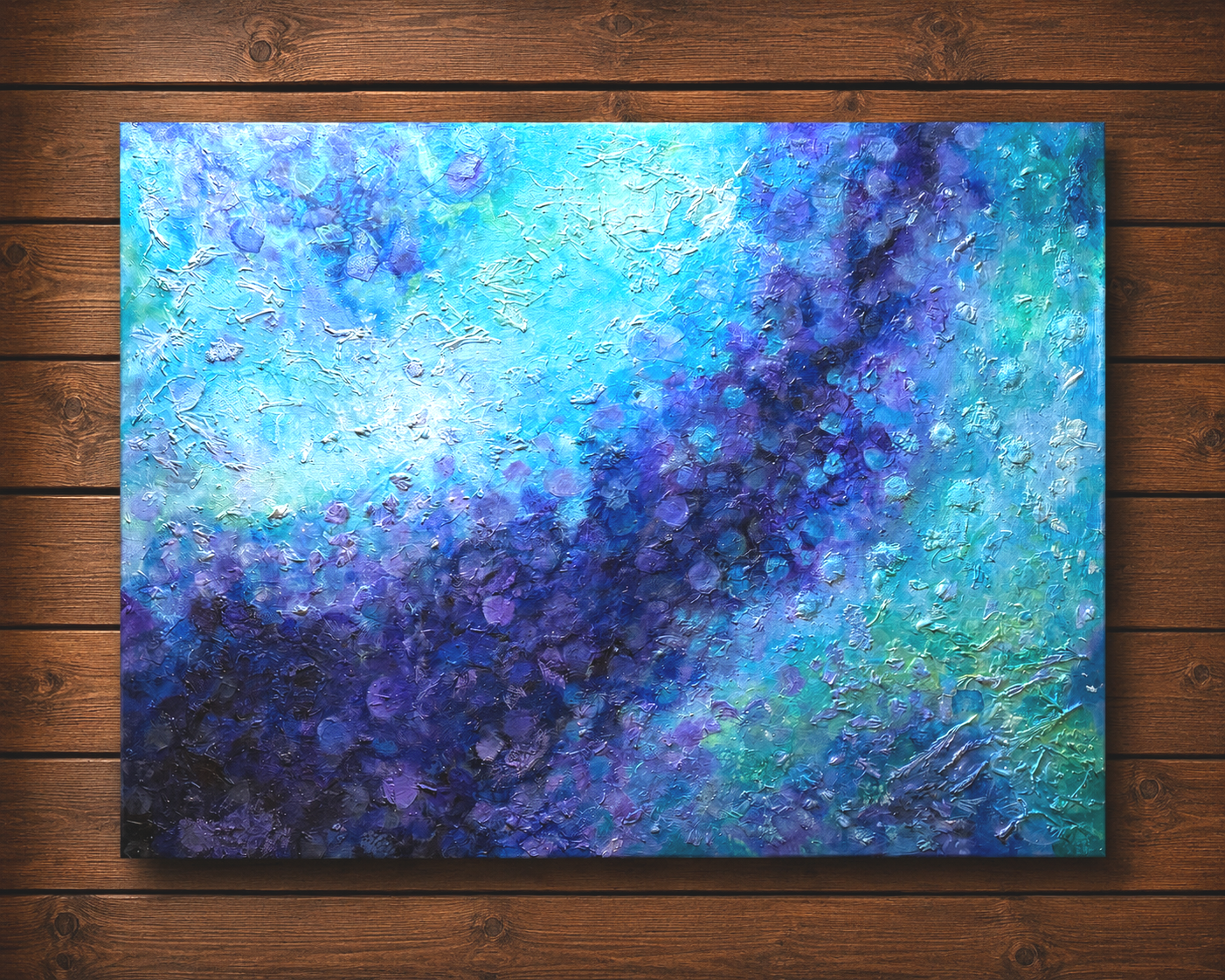
Your meaningful flowers are still there. They’re just something entirely new.
